What Is a Dental Implant?
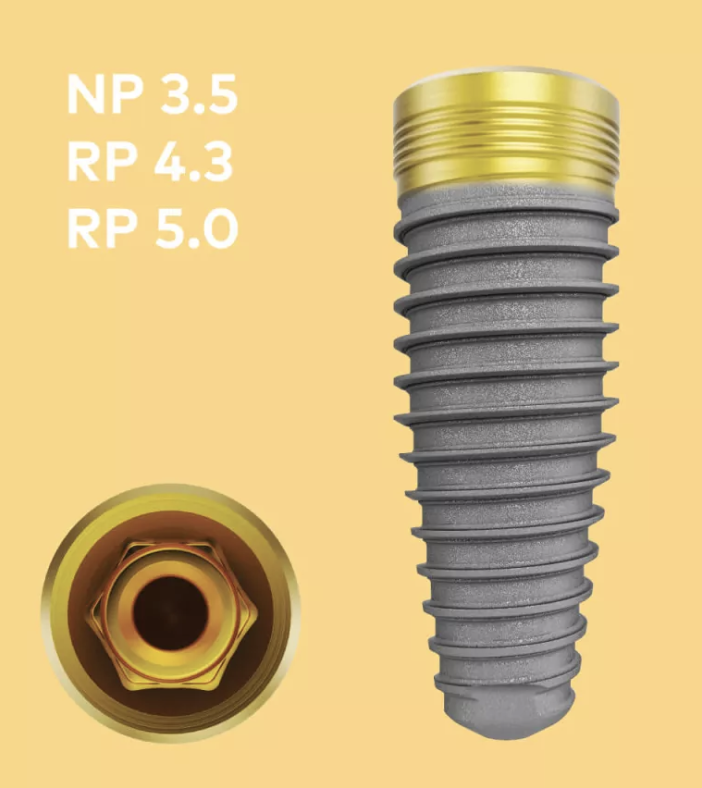
A dental implant is a small titanium post placed into your jawbone to replace the root of a missing tooth. After three to six months of healing, the implant fuses with the bone in a process called osseointegration, and a custom crown is attached to give you a replacement tooth that looks, feels, and functions like a natural one. Success rates are consistently above 95% when implants are properly planned and maintained. However, not every implant is placed the same way. The approach depends on the quality and quantity of your bone, the health of your gum tissue, and the location of the missing tooth.
Why Bone and Soft Tissue Matter
An implant needs bone the way a fence post needs soil. If the soil is deep and firm, the post will be strong and stable. Your surgeon evaluates this using a three-dimensional scan (CBCT) of your jaw, which shows the exact height, width, and density of bone available. When a tooth is lost, the surrounding bone begins to shrink almost immediately through a process called resorption. The longer a tooth has been missing, the more bone is lost, which is one reason your team may recommend an implant sooner rather than later.
Your gum tissue is equally important. Around natural teeth, your body maintains a band of thick, firm tissue called keratinized gingiva that seals against the tooth and protects the bone from bacteria. Implants need this same protective tissue, but the seal between gum and implant is inherently weaker than around a natural tooth. When this tissue is thin or absent, the implant is at higher risk for inflammation, bone loss, and long-term failure. Your surgeon evaluates both your bone and your soft tissue before recommending a plan.
Graphic Image Warning
These images contain clinical dental photography showing implant removal, bone regeneration, and soft tissue grafting
The Straightforward Implant
When there is plenty of healthy bone and thick, healthy gum tissue at the site, implant placement is a relatively simple procedure. Your surgeon makes a small opening in the gum, prepares a channel in the bone, and places the implant. A single implant typically takes less than an hour, and most patients report the discomfort is less than they expected, often comparable to having a tooth extracted.
How Your Implant Heals: The "Valley of Death"
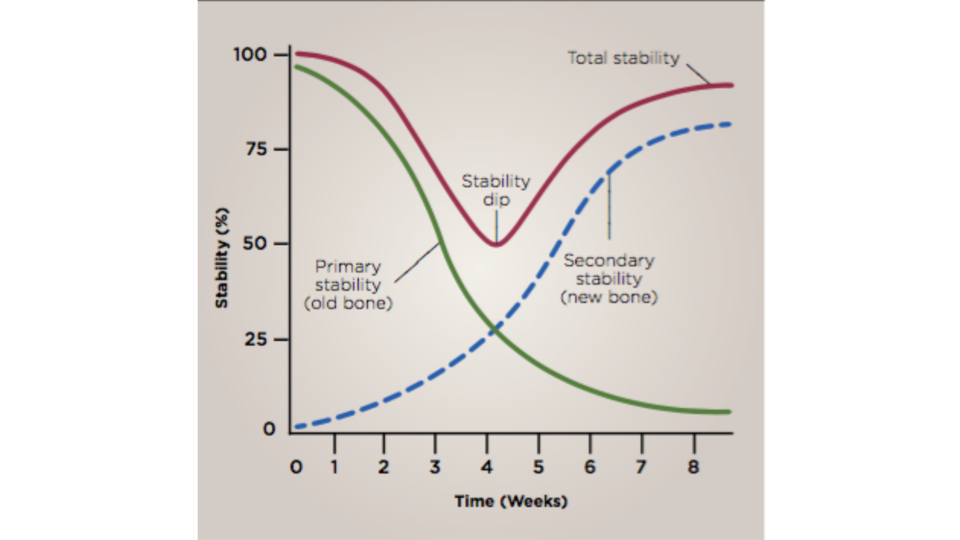
When an implant is first placed, it is held in position by a pressure fit. The implant is slightly larger than the channel that was drilled, so it is wedged tightly into the bone. This initial grip is called primary stability. Over the following weeks, your body begins to remodel that compressed bone. The old bone is broken down and removed faster than new bone is laid down, which creates a vulnerable window where the implant is at its weakest. Surgeons call this the "valley of death," typically occurring between three and six weeks after placement.
If any significant force is placed on the implant during this window (biting, chewing, or clenching), it can cause the implant to loosen and fail. This is why your dental team is so insistent about protecting the implant during healing. After the valley passes, new bone continues to grow and wrap tightly around the implant. By three to six months, the implant is locked in with a biological bond strong enough to support a tooth for decades.
Single-Stage vs. Two-Stage Healing
How your surgeon closes the site depends on how stable the implant is at the time of placement.
Single-stage (healing abutment): When the implant achieves excellent primary stability in dense, healthy bone, your surgeon may place a small metal cap called a healing abutment that sits just above the gum line. The tissue heals around it, and no second surgery is needed to uncover the implant later.
Two-stage (cover screw): When stability is adequate but not exceptional (for example, in softer bone or when grafting was done at the same time), a flat cover screw is placed and the gum is closed completely over the implant. This protects it from any accidental contact during the valley of death. After three to six months, a brief procedure reopens the tissue and places the healing abutment.
Neither approach is better or worse. They are different strategies matched to different situations, and both lead to the same result: a fully integrated implant ready for your new tooth.
Implant with Bone Grafting
When there is not quite enough bone to fully support an implant, your surgeon may place a bone graft at the same time. Bone material is placed around the implant to fill in deficient areas, and the body incorporates that graft into living bone as it heals. The graft is typically covered with a membrane that holds it in place while the slower-growing bone regenerates. In many cases the implant and graft can be done in one surgery. If the deficiency is more significant, grafting may be done first with implant placement four to six months later once solid bone has formed.
Graphic Image Warning
These images contain clinical dental photography showing a staged bone regeneration and implant placement procedure
Implant with Sinus Lift
In the upper back jaw, the maxillary sinus sits directly above the tooth roots. After tooth loss, the bone in this area often becomes too thin for an implant. A sinus lift gently raises the sinus membrane and packs bone graft material into the space underneath. A larger lift is done as a separate procedure four to six months before the implant. A smaller, more conservative lift can often be done at the same time as implant placement. This is one of the most well-established grafting procedures in implant dentistry. You should expect some swelling and congestion afterward, and you will be instructed not to blow your nose forcefully during the healing period.
Immediate Implant Placement
In some situations, an implant can be placed the same day a tooth is extracted, rather than waiting months for the socket to heal first. This means fewer surgeries, a shorter timeline, and better preservation of bone and soft tissue. Immediate placement works best when the tooth is being removed for reasons other than active infection (for example, a fracture or failed root canal) and when the surrounding bone is intact. If there is infection or significant bone damage, your surgeon may recommend extracting the tooth, grafting the socket, and returning for the implant after four to six months of healing.
Graphic Image Warning
These images contain clinical dental photography showing an immediate implant placement procedure
In some cases, a temporary crown can be placed on the implant the same day for appearance. However, this temporary must be kept completely out of your bite to avoid loading the healing implant. Your dental team will determine whether same-day provisionalization is safe based on the stability of the implant.
Soft Tissue Grafting Around Implants
Even after successful integration, the long-term health of your implant depends on the gum tissue surrounding it. If that tissue is thin, absent, or mobile, your surgeon may recommend a soft tissue graft to thicken the protective band of tissue around the implant. This may be done when the implant is uncovered, at crown delivery, or as a separate procedure. The tissue is typically taken from the roof of your mouth or from a tissue bank. Not every implant needs a graft, but when one is indicated, research consistently shows that implants with adequate protective tissue have less inflammation, less bone loss, and better long-term survival.
Graphic Image Warning
These images contain clinical dental photography showing a free gingival graft procedure around a dental implant
Understanding the Timeline
A straightforward implant can go from placement to final crown in as little as four months. An implant requiring a sinus lift, bone grafting, and soft tissue grafting may take twelve months or more. Your dental team will give you a realistic timeline at your consultation. Every healing phase exists for a reason: bone grafts need time to mature, implants need time to fuse, and soft tissue needs time to integrate. The goal is not to give you a tooth as fast as possible. The goal is to give you a tooth that lasts for decades.
What This Means for You
Your treatment plan will be customized to your anatomy. It might be a simple, single-stage implant, or it might involve grafting and a sinus lift to build the foundation your implant needs. None of these additional procedures should be cause for alarm. They are well-established, highly predictable, and performed routinely. Your dental team's job is to set your implant up for long-term success by building the right foundation (the right bone and the right soft tissue) from the very beginning.
You are your own best advocate. Ask questions, understand why each step is recommended, and trust the process. The result, a strong, stable, natural-looking tooth that lasts for years, is worth the investment.
Frequently Asked Questions
How long do dental implants last?
With proper care and regular maintenance, dental implants can last a lifetime. The implant itself is made of titanium, which fuses with your jawbone. The crown on top may need replacement after 10 to 15 years due to normal wear.
Am I a candidate for dental implants?
Most adults with good general health are candidates for dental implants. You need adequate bone to support the implant, but if bone has been lost, grafting procedures can rebuild it. Conditions like uncontrolled diabetes or heavy smoking may require additional evaluation.
How much do dental implants cost in Colorado?
The cost of a dental implant varies depending on the complexity of your case and whether bone grafting is needed. Yant Perio accepts insurance, which can offset a portion of the cost. We provide a clear treatment estimate before any work begins.
Does getting a dental implant hurt?
Implant placement is performed under local anesthesia, and most patients report that the procedure is more comfortable than they expected. Post-operative discomfort is typically mild and manageable with over-the-counter pain medication for a few days.
This guide was prepared by your periodontal care team to help you understand the dental implant process and the factors that determine your specific treatment plan. Your care team is happy to answer any questions at your consultation appointment.
Questions About Your Periodontal Health?
If you have concerns about your gum health or would like to learn more about any of the topics discussed in this article, we are here to help.